.webp "DIA Logo")
Are Clinical Document Workflows Ready for AI?
Bridging the Gap Between Human Validation and Scalable Automation
This is as a cross-ecosystem discussion on TMF quality and inspection readiness,
exploring why document variability still forces manual review and what leading
teams are doing to reduce risk while preparing for AI-driven workflows.

Clinical organizations are under increasing pressure to modernize trial operations with AI and automation, while still meeting the uncompromising demands of regulatory inspection.
Inspection readiness hasn’t changed. But the complexity of getting there has.
Even with mature eTMF and quality systems in place, many teams continue to face the same challenges:
- Incomplete or inconsistent documents entering the TMF
- Manual QC and reconciliation cycles that slow submissions
- Limited traceability across document transformations and workflows
- Increased risk during inspections due to gaps in documentation quality
At the root of these challenges is a persistent issue: clinical documents are not standardized, validated, or trustworthy enough at the point of intake.
This panel brings together leaders across the life sciences ecosystem, including consulting partners and technology providers, to explore how organizations are addressing this upstream problem and transforming their approach to TMF quality and inspection readiness.
We’ll walk through practical approaches to:
- Standardizing and validating documents before they enter the TMF
- Reducing ongoing QC burden through confidence-based workflows
- Ensuring traceability across document lifecycle for inspection defense
- Enabling AI and automation with trusted, structured clinical content
The goal: move from reactive QC and inspection anxiety to continuous inspection readiness, by design.
What You’ll Learn
-
Why TMFs still fail inspections (despite modern systems)
Where document quality and process gaps persist, and why they matter. -
How to improve TMF quality upstream
Approaches to standardization, validation, and completeness before documents enter the TMF. -
How to reduce QC burden and rework
Using confidence-based workflows to focus human review where it’s actually needed. -
How to ensure inspection-ready traceability
Creating a defensible record of document intake, transformation, and validation. -
How to enable AI without increasing compliance risk
Ensuring clinical documents are structured, trustworthy, and usable for downstream AI and analytics.
Who Should Attend
- Clinical Operations & TMF leaders responsible for inspection readiness
- Regulatory Affairs & Submission leaders
- Quality & Compliance leaders (GxP, audit, inspection)
- Clinical Systems & IT leaders (eTMF, RIM, Veeva ecosystem)
- Data & AI leaders supporting clinical and regulatory workflows
What this is (and isn’t)
This is a practical walkthrough of modern intake patterns, how to transform unstructured trial documentation into a compliant, preservation-grade, inspection-defensible state with the accuracy and traceability regulated teams need.
This isn’t a “replace your TMF” pitch.
Our Speakers

Benjamin O’Connor brings deep life sciences technology experience across clinical operations, eTMF, regulatory, quality, and compliance workflows. At Adlib, he helps life sciences organizations bring order, accuracy, and trust to complex document processes, strengthening submission readiness, audit preparedness, and downstream information management. Before joining Adlib, Ben held roles with TransPerfect Life Sciences, Phlexglobal, and ComplianceQuest, where he developed a practical understanding of how regulated organizations manage critical content across clinical, quality, and compliance environments.

Suzanne Turner
TMF Consultant | ICE Consulting, LLC
Suzanne Turner is a TMF Subject Matter Expert and Founder of ICE Consulting, with 10+ years of experience supporting sponsors and CROs including PRA Health Sciences. She specializes in TMF health, inspection readiness, and compliant process design, partnering with teams to close gaps and optimize operations. A member of the CDISC TMF Reference Model Steering Committee, she helps shape global TMF standards. Through her podcast Heart of the Trial and “Inform, Connect, Engage” approach, Suzanne is known for bridging strategy with hands-on execution and elevating how organizations understand and manage TMF.
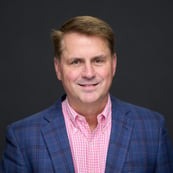
Kevin Anderson
Founder | Clinical AI Innovators Network
Clinical operations executive with 25+ years of global experience leading complex development programs from early phase through registration. Proven track record delivering inspection-ready programs, supporting multiple BLA submissions, and managing global regulatory inspections while building and leading high-performing, cross-functional teams across therapeutic areas, including rare disease. Currently focused on scaling AI-enabled operating models within Global Development Operations, driving increased adoption, reduced manual burden, cost efficiencies, and accelerated cycle times. Integrates AI into everyday workflows through standardized processes, decision support, and expert-in-the-loop controls—ensuring governance, quality, and compliance in a highly regulated environment.